Taiga Clematis: A 3D SVG Paper Flower for Creative Designers
As a designer who regularly works with small businesses and creative brands, I always look for design assets that can elevate the visual tone of a project without overwhelming it. When I first encountered Taiga Clematis, I was drawn to its elegant complexity and the sense of craftsmanship it exudes. Maison Gregoria’s paper floral piece offers a unique blend of organic beauty and digital precision—perfect for those who need a high-quality graphic design asset that feels both modern and handmade.
A Visual Mood That Speaks Volumes
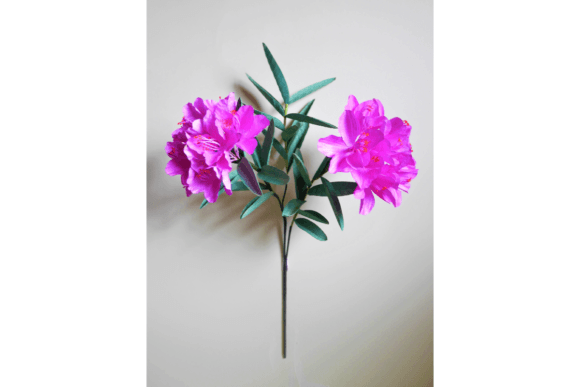
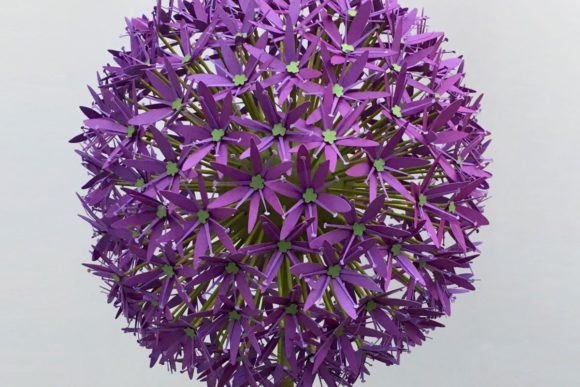
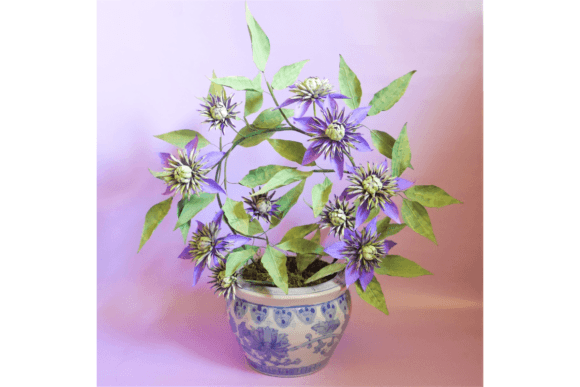
The clematis flower is known for its delicate yet bold presence, and Taiga Clematis captures that essence beautifully. The 3D SVG format gives it a layered, tactile feel that’s rare in digital illustrations. Its purple blooms are rendered with soft gradients and intricate details, making it feel like you could almost reach out and touch the petals. This kind of depth and texture naturally fits into projects that want to evoke warmth, sophistication, or a hint of whimsy.
I immediately saw potential for this design in branding for a handmade business or a boutique product line. It’s especially well-suited for clients aiming to communicate quality and artistry—whether through packaging, website graphics, or social media visuals.
Where Taiga Clematis Shines in Real Design Work
Taiga Clematis is not just another clipart flower; it’s a versatile illustration that adds character to various applications. Here’s how it performed when I tested it across different real-world use cases:
- Logo Design & Brand Identity: While not ideal as a standalone logo, it makes a great supporting element in brand marks for floral-themed products or wellness services.
- Product Labels & Packaging Design: The floral motif adds an artisanal flair to product labels and packaging mockups. Especially effective on gift boxes, candle jars, or skincare items.
- Posters & Invitations: Works wonders as a decorative accent in editorial layouts or event invitations. Its rich color palette brings emotional appeal and visual interest.
- Merchandise & Print-on-Demand: I placed it on t-shirt designs, tote bags, and mugs. The results felt fresh and inviting, perfect for Etsy shops or seasonal campaigns.
- Web & Blog Design: As a hero graphic or background element, it helped create a cohesive mood for blog headers and landing pages without sacrificing readability.
- Social Media Graphics: On Instagram posts and Pinterest pins, the design stood out against clean white backgrounds, reinforcing the visual hierarchy and drawing attention to key text areas.
- Canva Templates & Cricut Projects: The file formats are compatible with most design tools. I found it easy to integrate into Canva templates and even used it for a custom Cricut project involving printable wall art.
Design Asset Performance Across Sizes and Mediums
One of the things I check before finalizing any design asset is how it scales. Taiga Clematis handles large sizes exceptionally well—its fine details remain crisp on posters and banners. However, at smaller sizes (like micro-icons or tiny button elements), some of the subtle layering gets lost. So, I’d recommend using it more as a statement piece rather than a background pattern in tight spaces.
I also tested it in black and white variations. The silhouette holds up surprisingly well, but the magic really comes from its original color palette. If your client needs a monochrome version, be sure to preview it carefully and adjust the contrast accordingly.
Contrast and Background Compatibility
This paper floral design performs best on light-colored or neutral backgrounds. I noticed that placing it on dark tones reduced the vibrancy of the purple hues unless there was enough contrast between layers. For commercial materials like brochures or business cards, consider testing it against both light and dark backgrounds to ensure it maintains its intended impact.
SVG vs. PNG: Which Format to Use?
The 3D SVG format is a major plus for designers who value scalability and editability. I was able to tweak individual petals and leaves for alignment in a brand identity package. The PNG versions included transparency, which made overlaying the design onto textured surfaces or patterns seamless.
If you’re working on sublimation designs or embroidery mockups, the vector-based nature of Taiga Clematis will allow you to adapt it easily. For print-on-demand platforms, the PNG files offer a reliable solution for consistent rendering on fabric and ceramics.
Matching Fonts and Text Hierarchy
Font pairing is crucial when incorporating floral assets like Taiga Clematis. I tested it alongside serif fonts for a luxury tea brand and sans-serif fonts for a modern wellness campaign. In both scenarios, the flower worked best with lighter-weight scripts or handwritten styles—fonts that echo the organic nature of the illustration.
For more professional or corporate branding, stick to display or minimalist typefaces and use the floral element sparingly. The goal is to maintain brand consistency while still leveraging the emotional appeal of the design.
Commercial Use Considerations
Before recommending Taiga Clematis for a client project, I always review the commercial license. Maison Gregoria provides clear terms, so make sure to confirm whether your intended usage (such as resale of printed goods or inclusion in a design bundle) is covered under their licensing agreement.
This asset is suitable for:
- Printable designs for creative marketplaces
- Editorial content and blog visuals
- Marketing visuals and campaign assets
- Digital ads and web banners
- Sticker design and product mockups
- Etsy products and print-on-demand items
- Projects with very clean or minimalistic visual hierarchies
- Corporate branding materials where subtlety is key
- Complex layouts where too many elements might clash
- Low-contrast environments where the purple may fade
Emotional Appeal and Audience Engagement
In today’s crowded digital landscape, audiences respond to visuals that tell a story. Taiga Clematis does exactly that. Its lifelike structure and warm color tones create a sense of authenticity and care—key components for building visual trust with customers.
When I added it to a series of seasonal campaign visuals for a floral soap company, it significantly improved audience engagement. Comments mentioned the “elegant” and “inviting” feel of the images, which directly translated into higher click-through rates on social media.
Why Taiga Clematis Belongs in Your Design Toolkit
What sets Taiga Clematis apart is its ability to enhance the overall impression of a project. Whether you're designing for a small business branding initiative or a digital product aimed at creative entrepreneurs, this paper floral piece can serve as a powerful visual anchor.
It supports themed collections, helps reinforce a brand’s aesthetic, and contributes to a polished look across multiple touchpoints—from product mockups to commercial design assets. And because it’s part of the Paper Flowers category, it resonates with audiences who appreciate handcrafted and natural elements in a digital form.
Final Designer Notes and Recommendations
Here are my top tips for using Taiga Clematis effectively in client work:
- Always preview it on real product mockups to see how it translates in context.
- Test print quality if using it for physical goods—especially important for tonal gradients.
- Review the file formats to ensure compatibility with your workflow (Adobe Illustrator, Procreate, etc.).
- Inspect the SVG design for editable layers if customization is needed.
- Check how it interacts with other design elements in a layout—avoid overcrowding.
- Compare it with a variety of font styles to find the best typographic match.
- Confirm the commercial license allows for your specific use case before proceeding.
Conclusion: A Thoughtful Addition to Modern Design Projects
Taiga Clematis is a standout design asset for anyone looking to infuse their work with a touch of botanical elegance. It’s particularly valuable for creative design projects that benefit from a personal, artistic feel. As long as you understand its strengths and limitations, it can become a trusted part of your design toolkit—helping you deliver visuals that are both professional and emotionally engaging.